

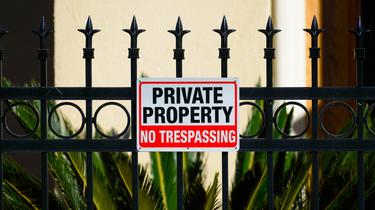
When a trespasser enters or remains on your property without permission, it is important that you know your legal rights and what action to take.
Trespassing not only affects your rights as a landowner but also compromises your property’s security and your peace of mind.
Whether it is an innocent mistake or a squatter refusing to leave, knowing your rights and acting quickly can help protect your property and prevent the situation from escalating.
Our Litigation Senior Associate, Gareth Brazier, explains.
What counts as trespassing?
Trespassing involves someone entering or using your land without your consent, whether damage is caused or not.
This can include tenants occupying a building without permission or refusing to leave when asked.
Under the Legal Aid, Sentencing and Punishment of Offenders Act 2012, squatting in a residential property in the UK is a criminal offence and police can intervene.
However, trespassing on commercial and non-residential properties is a civil matter and up to the property owner to take legal action.
The first steps when faced with a trespasser are:
- Asking the trespasser to leave. In some cases, the trespasser may not be aware they are on private land, so informing them and requesting they leave is an important first step.
- Document the situation. Taking notes, photos and any evidence of the trespass will help if legal action is needed.
- Avoid confrontation. Do not use force or aggressive behaviour as this could put you at risk of an allegation of assault or harassment.
- Secure the property. Reinforce gates, fences, locks and install lighting to reduce the likelihood of repeat incidents.
How can I find a legal solution?
If the trespass continues or becomes disruptive, you may need to escalate matters through the courts.
To do so, you must prove you have possession of the land and a better right to possession than the trespasser.
If your documentation is accurate, a court can order an injunction that requires the trespasser to leave and prohibit them from returning.
A trespasser breaching this injunction can lead to an additional stricter injunction, fines, seizure of assets or even imprisonment for repeat offenders.
If someone is occupying your building or land without consent, you can seek a possession order, which allows you to legally remove them as long as the claim has been served on the property itself.
Where trespass has caused loss or damage or if the trespasser has financially benefited, you may be entitled to claim compensation.
By reaching out to legal support, you can understand the right solution and if you are eligible for compensation.
How can you protect your property?
Trespass cases involve strict procedures and tight timeframes, which can leave many property owners feeling overwhelmed.
As well, any errors made in your evidence or court application can delay the outcome and leave you facing costly legal fees.
With our expert guidance, we can help you get ahead of your claim and prepare the correct legal documents for an injunction or possession order.
Acting quickly is important and the sooner legal steps are taken, the faster you can regain control of your property and reduce disruption.
If you are concerned about trespassers on your property, contact our specialist team today.