Log in to Zenplans Pay Online
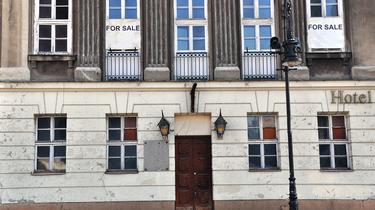
When you approach the end of your commercial lease, you might not be able to just hand over your keys without any other obligations.
Some tenants may face a dilapidation claim if they have not complied with their covenants after they have left the property and this could come with unexpected costs.
When your lease comes to an end, you must understand your end-of-lease obligations to help avoid any prolonged disputes.
To help you understand dilapidations in more depth our Head of Commercial Property, Elena Nicolaou, has explained the rules.
What are dilapidations in commercial property?
Dilapidation is when you breach your repair, maintenance and reinstatement obligations under a commercial lease.
They often relate to the condition you leave your property in when your lease ends.
Most commercial leases will require you to keep the premises in repair and return them in a specified condition when you leave.
Dilapidation can include anything from repair, for example broken windows, damaged flooring, cracked walls leaky roofs, redecoration, reinstatement and statutory compliance depending on your obligations contained in the lease.
If you are at the end or near the end of your lease, your landlord will usually instruct a surveyor to inspect the property and prepare a Schedule of Dilapidations.
Depending on the terms of your lease it may dictate how long after the end of the term the landlord must serve a schedule of dilapidations.
This document will set out the alleged breaches and the work or cost needed to put them right.
Why do dilapidations matter in commercial property?
Dilapidation claims can be an unwelcome expense.
Claims can run into thousands of pounds and may include:
If they are not handled properly, dilapidation can lead to ongoing disputes and even court proceedings if an agreement cannot be reached.
What must you do if you have a dilapidation claim against you?
Depending on the timing and the lease terms, you may be given the opportunity to carry out the remedial work yourself before vacating the property.
However, your landlord may wish to pursue a financial settlement to cover the costs of the alleged dilapidation and this is more common if your lease has already ended.
You should review your landlord’s Schedule of Dilapidations as there may be scope to challenge or renegotiate the claims being made subject to professional advice.
Dilapidation claims are also subject to the Dilapidations Protocol which set out the process parties are to follow before court proceedings are commenced.
This protocol encourages early communication to resolve disputes and requires the landlord to not only supply the schedule dilapidations but supporting evidence too.
Whilst the protocol is not mandatory the court will severely scrutinize any failure to comply and can impose financial penalties on the parties.
How can tenants prepare for dilapidation?
Preparation is crucial before you end your lease and this should include:
How can we help with your dilapidation?
Dilapidations can be overwhelming and we are here to support you through any claims and help you understand your obligations
We can review your lease or Schedule of Dilapidation and provide the necessary advice and options re moving forward
If you need advice when coming to the end of your commercial lease or managing a dilapidation claim, contact our team today.
Stay connected
Join our mailing list for the latest legal updates, news, and events.