Log in to Zenplans Pay Online
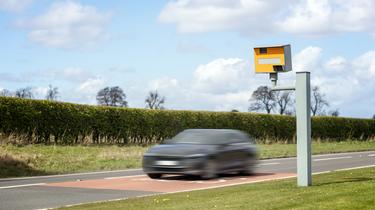
Most people will have inadvertently teetered above the speed limit before, but once that teetering leads to points, driving disqualifications can follow quickly if you are not careful and you accumulate sufficient penalty points within a three-year period.
The loss of a licence can be extremely damaging to your career and family life if you rely on your vehicle for your day-to-day activities.
Understanding the next steps is vital if you are facing the loss of your freedom.
What are the penalties for speeding?
Typically, the minimum penalty for speeding is three penalty points on your licence and a £100 fine. However, if it is your first offence for a relatively minor offence, you may be offered a speed awareness course instead of points.
Endorsements remain on the licence for four years before they are removed. However, if you accumulate more than 12 penalty points over the course of three years, you could face a ban, which is commonly referred to as a ‘totting up disqualification’.
However, if you are caught going significantly over the limit, for example, over 100 miles per hour in a 70 miles per hour zone, you can be given a court-imposed ban from driving.
Additionally, if a new driver receives six or more penalty points within the first two years of driving, the DVLA will revoke their licence under the New Drivers Act.
How can I avoid a driving ban?
Aside from being extra careful after you have first received points, if you are facing a ban for a totting-up disqualification, you may be able to ask the court to be lenient by making an exceptional hardship application.
However, the defence of needing the car to pop to the shops is not enough. The impact must be genuinely exceptional. Some examples include:
In these instances, the court will need evidence and details of why the consequences go beyond what would normally be expected from a driving ban.
You may need to provide care plans, letters from employers, witness statements, financial records and details of public transport limitations as evidence to the court.
If the court is considering an immediate disqualification for a serious speeding offence or a totting disqualification, obtaining specialist legal advice as early as possible can help you understand whether there are grounds to challenge the allegation or seek to reduce the penalty
Getting the right support from Palmers
We understand that the threat of the loss of a driving licence can be unsettling for people who rely on their car for everyday life.
Our team is here to support drivers by reviewing evidence, representing drivers at Magistrates’ Court, preparing exceptional hardship applications, gathering supporting evidence and helping you to understand whether there are grounds to reduce or avoid a disqualification.
If you are at risk of losing your licence, obtaining quick legal advice can help you to understand your options and prepare the strongest possible case before attending court.
Get in touch with our team for pragmatic support with driving offences.
Stay connected
Join our mailing list for the latest legal updates, news, and events.